



How Modern Wiring Standards Enhance Your Home’s Safety
Ensuring the safety and efficiency of your home’s electrical system is a priority for homeowners in Wilmington, NC. Modern wiring standards play a pivotal role in achieving this goal, safeguarding properties against potential hazards. These standards are not just guidelines but essential practices that significantly reduce the risk of electrical fires and malfunctions. By adhering to these, homeowners can enjoy peace of mind, knowing their electrical infrastructure is up to par.
The evolution of modern wiring standards reflects advancements in technology and a deeper understanding of electrical safety. As homes in Wilmington and beyond become smarter and more energy-efficient, the need for compliant, high-quality wiring becomes increasingly critical. These standards are designed to accommodate the growing demand for electricity, ensuring that homes can handle modern appliances and electronics without compromising safety.
Compliance with modern wiring standards is not just about safety, it’s also about efficiency. Homes that meet these criteria experience fewer electrical issues, which translates into lower maintenance costs and enhanced functionality. This is particularly important in regions like Wilmington, NC, where the blend of historic charm and modern living requires a delicate balance between preserving character and ensuring contemporary comfort and safety.
In conclusion, modern wiring standards are a cornerstone of residential electrical safety and efficiency. For homeowners in Wilmington, NC, staying informed and ensuring their homes meet these standards is a smart investment. It not only protects their property and loved ones but also contributes to the overall well-being of their community.
The Evolution of Electrical Wiring in Homes
The evolution of electrical wiring in homes has been a journey marked by innovation and a commitment to safety. Initially, wiring systems were basic, catering to minimal electrical needs. As technology advanced, so did the demand for more sophisticated systems. This shift led to the development of modern wiring standards, ensuring homes in Wilmington, NC, and beyond could safely support a wide range of electrical devices.
Modern wiring standards have introduced a new era of electrical safety and efficiency. These standards take into account the increased electrical load of contemporary homes, providing a framework for wiring that minimizes risks. For instance, the use of ground fault circuit interrupters (GFCIs) in wet areas of the home is a direct result of these evolving standards. Such advancements protect homes from electrical hazards, significantly reducing the likelihood of accidents.
In addition to enhancing safety, modern wiring standards support the seamless integration of smart home technologies. Today’s homes are more connected than ever, with appliances and systems that communicate to enhance convenience and energy efficiency. Adhering to these standards means that homes in Wilmington, NC, can easily incorporate these technologies without the need for extensive rewiring, making modern conveniences more accessible to everyone.
Finally, the adoption of modern wiring standards reflects a broader commitment to energy efficiency and environmental sustainability. By ensuring that homes are equipped to handle electrical loads efficiently, these standards help reduce unnecessary energy consumption. This not only lowers utility bills for homeowners but also contributes to the collective effort to conserve energy resources. As we continue to embrace these standards, the benefits extend beyond individual homes, supporting a greener, more sustainable future for communities everywhere.
Understanding Modern Wiring Standards
Understanding modern wiring standards is essential for ensuring the safety and efficiency of electrical systems in homes. These standards, which have evolved significantly over the years, are designed to meet the current demands of technology and electrical load in households. For homeowners in Wilmington, NC, familiarizing themselves with these standards is crucial. It helps in making informed decisions about electrical installations and upgrades.
Modern wiring standards encompass a variety of regulations and practices aimed at preventing electrical hazards. One key aspect is the requirement for proper installation and maintenance of electrical systems. This ensures that all electrical components function safely and efficiently, reducing the risk of fires and other dangers. In Wilmington, NC, adhering to these standards is not just a matter of compliance but also a step towards enhancing home safety.
The implementation of modern wiring standards has made homes more adaptable to technological advancements. These standards facilitate the integration of new appliances and systems without compromising on safety or efficiency. As a result, homeowners can enjoy the benefits of modern technology, such as smart home devices, without the need for constant rewiring or updates to their electrical systems.
Lastly, modern wiring standards play a significant role in energy conservation. By optimizing electrical systems for efficiency, these standards help in reducing energy consumption and lowering utility bills. For communities in Wilmington, NC, and beyond, this means a move towards more sustainable living practices. It highlights the importance of modern wiring standards in promoting a safer, more energy-efficient, and technologically advanced lifestyle.
The Risks of Outdated Electrical Systems
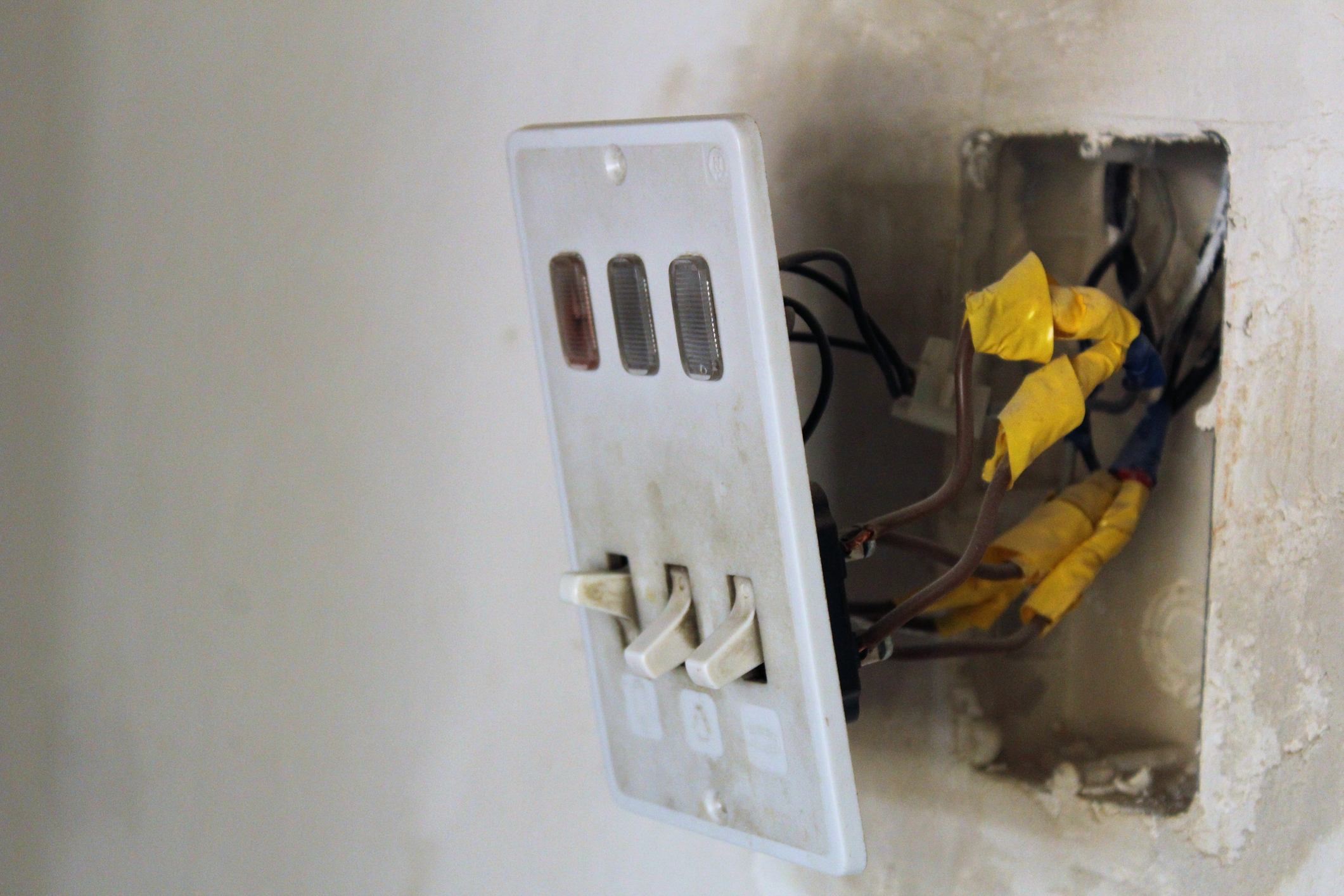
Homes with outdated electrical systems face significant risks, especially when these systems fail to meet modern wiring standards. In Wilmington, NC, this concern is particularly relevant as the blend of older homes and new technology demands up-to-date wiring. Outdated systems can struggle to handle the electrical load of current appliances and devices, leading to overheating and potentially fires. Recognizing and addressing these risks is crucial for homeowners aiming to safeguard their properties.
The absence of features like ground fault circuit interrupters (GFCIs) in older systems highlights the evolution of safety through modern wiring standards. Initially designed for areas prone to moisture, GFCIs now represent a fundamental aspect of electrical safety in all new constructions. Homes without such protections are at a higher risk for electrical accidents, emphasizing the importance of upgrading to modern standards. This upgrade not only enhances safety but also aligns homes with current electrical practices.
Another risk associated with outdated electrical systems is the increased likelihood of power surges damaging sensitive electronics. Modern wiring standards include surge protection mechanisms that older systems lack, protecting devices from sudden spikes in voltage. For homeowners in Wilmington, NC, updating electrical systems to include these protections is a wise investment. It preserves the lifespan of appliances and electronics, ensuring they perform efficiently and safely.
Lastly, outdated electrical systems often result in higher energy consumption due to inefficiency, leading to elevated utility bills. Modern wiring standards focus on energy efficiency, offering homeowners a way to reduce their environmental impact while saving on costs. By transitioning to systems that meet these standards, residents contribute to a more sustainable community. The move towards modern wiring standards represents a commitment to safety, efficiency, and environmental responsibility.
How Modern Wiring Standards Improve Safety
Modern wiring standards significantly improve the safety of homes in Wilmington, NC, by addressing the risks associated with electrical fires. These standards ensure that wiring systems in homes are capable of handling the electrical demands of today’s appliances and electronics. As a result, the likelihood of overheating and potential fires decreases, providing homeowners with greater peace of mind. This proactive approach to electrical safety underscores the importance of keeping up with modern practices.
The introduction of arc-fault circuit interrupters (AFCIs) is a key feature of modern wiring standards that enhances home safety. AFCIs are designed to detect and interrupt arc faults, which can occur when electrical wiring becomes damaged or worn over time. By installing AFCIs in homes, the risk of electrical fires caused by these faults is significantly reduced. This advancement in electrical safety technology is a testament to the ongoing evolution of modern wiring standards.
Modern wiring standards also emphasize the importance of professional installation and regular maintenance. This ensures that electrical systems are not only installed according to the latest safety protocols but also kept in optimal condition. For homeowners, this means fewer unexpected issues and a more reliable electrical system. It’s a strategic approach that prioritizes long-term safety and efficiency, aligning with the needs of contemporary living.
Finally, by adhering to modern wiring standards, homeowners contribute to a safer community. These standards are not just about individual safety but also about the collective well-being of neighborhoods and cities. As more homes meet these standards, the overall risk of electrical hazards decreases, making communities like Wilmington, NC, safer for everyone. It’s a shared commitment to safety that benefits all residents, reinforcing the value of modern wiring practices.
The Role of AFCI and GFCI in Modern Wiring
Incorporating Arc Fault Circuit Interrupters (AFCIs) and Ground Fault Circuit Interrupters (GFCIs) is a cornerstone of modern wiring standards, significantly elevating the safety of homes. AFCIs play a crucial role by detecting and halting arc faults, a common cause of electrical fires. This technology’s integration into electrical systems ensures that homes, including those in Wilmington, NC, are better protected against hidden wiring issues. The adoption of AFCIs illustrates the industry’s move towards more proactive safety measures, reflecting the evolution of modern wiring practices.
Similarly, GFCIs contribute to the safety of residential electrical systems by preventing shock hazards, particularly in areas exposed to moisture. By instantly cutting off power when a ground fault is detected, GFCIs mitigate the risk of electric shock, making them essential in kitchens, bathrooms, and outdoor spaces. Their implementation is a testament to modern wiring standards’ emphasis on protecting homeowners from common electrical dangers. This focus on safety is indicative of the broader goals of modern wiring standards, aiming to create safer living environments for everyone.
The requirement for professional installation and regular maintenance of AFCIs and GFCIs underscores the importance of expertise in achieving electrical safety. Qualified electricians ensure that these devices are correctly integrated into home electrical systems, aligning with modern wiring standards. This professional oversight guarantees that the protective measures offered by AFCIs and GFCIs are fully operational, providing homeowners with peace of mind. It’s a strategic approach that prioritizes the longevity and reliability of electrical systems, ensuring they meet the demands of contemporary living.
Ultimately, the role of AFCIs and GFCIs in modern wiring standards highlights a collective commitment to enhancing electrical safety in homes. By adhering to these standards, communities, including those in Wilmington, NC, can significantly reduce the risk of electrical hazards. This shared dedication to safety not only protects individual homes but also contributes to the well-being of entire neighborhoods. It’s a reflection of how modern wiring standards serve as the foundation for safer, more secure living environments.
Energy Efficiency and Modern Wiring Standards
Modern wiring standards not only prioritize safety but also emphasize energy efficiency in homes. By ensuring electrical systems are up to date, these standards help reduce the amount of energy wasted. In Wilmington, NC, adopting these practices means homeowners can enjoy lower utility bills. This approach reflects a broader trend towards sustainable living, making energy efficiency an integral part of modern electrical design.
Implementing modern wiring standards leads to the use of more energy-efficient appliances and lighting. Homeowners can replace outdated systems with ones that require less power to operate. This transition supports the environment by decreasing the overall demand for electricity. It’s a step forward in creating homes that are not only safer but also more aligned with eco-friendly practices.
The role of modern wiring standards in promoting energy efficiency extends beyond individual homes. As communities adopt these practices, the cumulative effect on energy conservation is significant. This collective action contributes to a larger goal of reducing the carbon footprint. It’s an example of how updated electrical standards can have a positive impact on both the community and the planet.
Finally, modern wiring standards serve as a guide for future advancements in home energy efficiency. They lay the groundwork for incorporating renewable energy sources and smart technology. This ensures that homes in Wilmington, NC, and beyond are prepared for the next wave of innovations. It’s a forward-thinking approach that keeps safety, efficiency, and sustainability at the forefront of residential electrical systems.
Navigating the Upgrade to Modern Wiring Standards
Navigating the upgrade to modern wiring standards involves understanding the benefits and taking proactive steps. Homeowners in Wilmington, NC, can start by consulting with a licensed electrician who specializes in modern electrical systems. This professional can assess the current state of a home’s wiring and recommend necessary upgrades. Such upgrades not only enhance safety but also align homes with current efficiency and technological trends.
The process of upgrading to modern wiring standards may seem daunting at first. However, it offers a significant return on investment by improving electrical safety and reducing energy costs. By replacing outdated components with energy-efficient alternatives, homeowners contribute to a more sustainable environment. Additionally, this transition supports the seamless integration of smart home technologies, enhancing the overall living experience.
Education plays a crucial role in the successful adoption of modern wiring standards. Homeowners should seek resources that explain the importance and benefits of these standards in clear terms. Understanding the key components, such as AFCIs and GFCIs, and their role in preventing electrical hazards is essential. This knowledge empowers homeowners to make informed decisions about their electrical systems.
Finally, the community-wide adoption of modern wiring standards fosters a safer and more efficient living environment for everyone. As more homes in the area meet these standards, the collective benefits include reduced energy consumption and a lower risk of electrical incidents. This shared commitment to upgrading and maintaining electrical systems according to modern standards is a testament to the community’s dedication to safety and sustainability.
Selecting a Professional for Your Wiring Upgrade
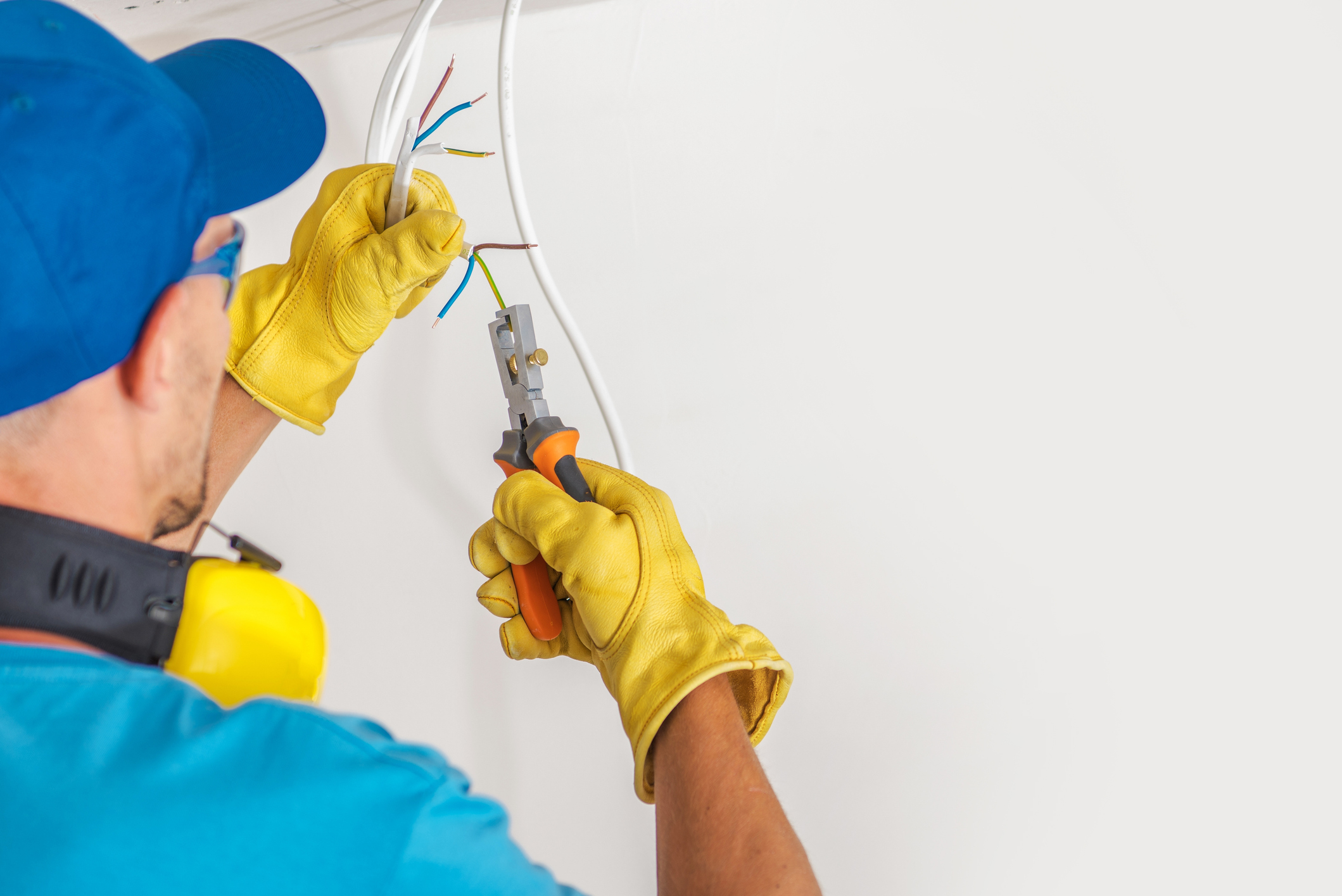
Selecting the right professional for your wiring upgrade is crucial to ensure compliance with modern wiring standards. In Wilmington, NC, finding a licensed electrician with experience in the latest electrical practices is essential. These professionals can efficiently assess your home’s current system and recommend the necessary upgrades. Their expertise ensures that your electrical system not only meets but exceeds current safety and efficiency standards.
When choosing an electrician, consider their familiarity with modern wiring standards and their track record of successful upgrades. An electrician who stays updated with the latest advancements in electrical safety can provide valuable insights. They can suggest ways to enhance your home’s electrical system for better performance and safety. This proactive approach can save homeowners time and money in the long run.
It’s also important to discuss your specific needs and expectations with the electrician. Whether you’re looking to improve energy efficiency or prepare your home for smart technology integration, clear communication is key. An electrician who understands your goals can tailor the upgrade to suit your lifestyle. This customization ensures that your home’s electrical system supports your current and future technological needs.
Lastly, consider the long-term benefits of upgrading to modern wiring standards through a professional electrician. Not only does this enhance the safety and functionality of your home, but it also contributes to the well-being of the Wilmington, NC community. Upgraded electrical systems reduce the risk of hazards and improve energy efficiency, making your home a safer and more sustainable place to live.
Frequently Asked Questions
What are modern wiring standards?
Modern wiring standards are guidelines that ensure electrical systems in homes are safe, efficient, and reliable. They cover everything from the materials used to the installation processes. By following these standards, electricians can prevent common hazards like electrical fires. Ultimately, adhering to these rules helps protect your home and family.
How do they improve safety?
Modern wiring standards play a crucial role in enhancing home safety by reducing risks of electrical fires and shocks. They ensure that electrical installations meet current safety codes, which are regularly updated to incorporate the latest safety technologies. By enforcing the use of high-quality materials and proper installation techniques, these standards minimize potential electrical hazards. As a result, homeowners enjoy a safer living environment, safeguarding both their families and their investments.
Can old homes be updated to modern standards?
Yes, old homes can be brought up to modern wiring standards. This process involves replacing outdated wiring and electrical components with new, safer options. Professionals like those at Mister Sparky in Wilmington, NC, specialize in these updates. They ensure your home meets the latest safety and efficiency guidelines, giving you peace of mind.
What risks do outdated systems pose?
Outdated electrical systems present significant risks to homes. They can lead to electrical fires, putting families and properties in danger. Such systems may also cause electric shocks, posing a threat to anyone in the home. By upgrading to modern wiring standards, these risks are greatly reduced, ensuring a safer living environment.
Are modern wiring standards cost-effective?
Adhering to modern wiring standards is indeed cost-effective in the long run. Upfront, it might seem like a big investment, but it saves money by preventing costly repairs and energy waste. These standards enhance efficiency, reducing monthly electricity bills. Plus, they boost your home’s safety, avoiding expensive damage from electrical fires.